
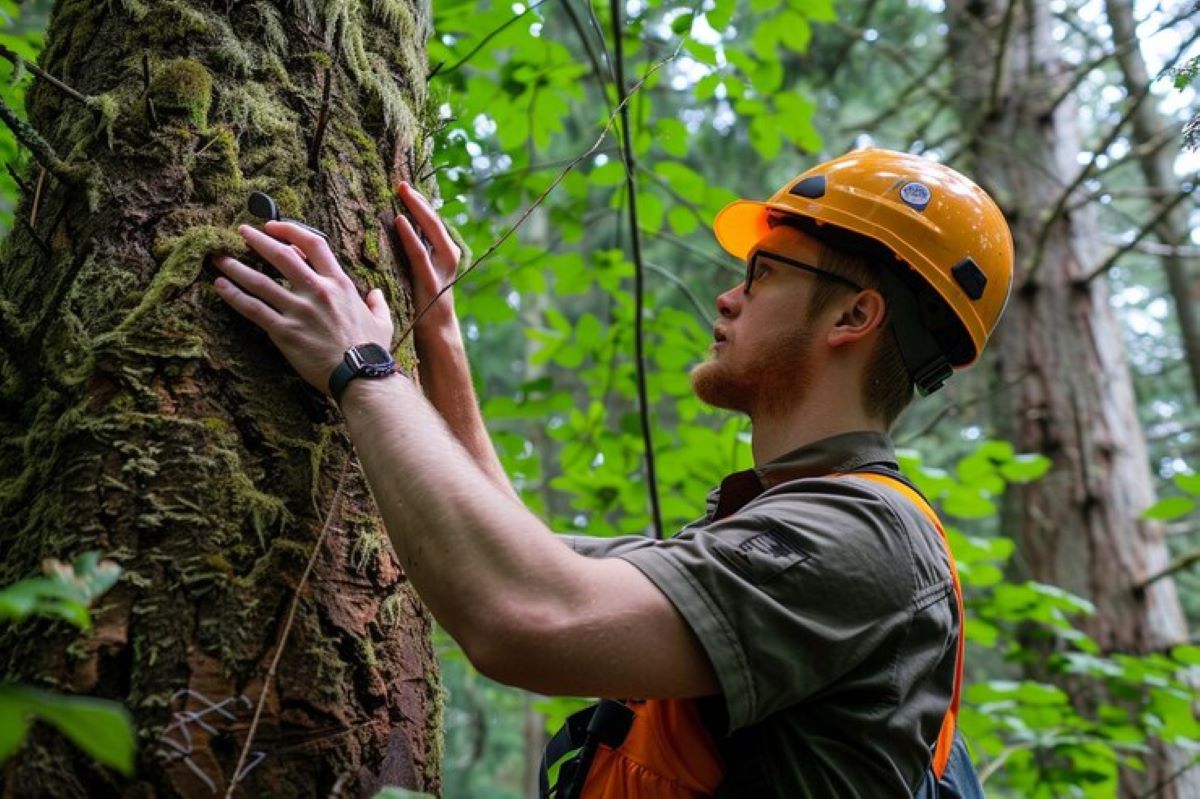
Arborist Carlingford: How to Prepare Your Trees for Storm Season
How Can Arborists Help You Prepare Your Trees for Storm Season in Carlingford?
Professional arborists provide essential services that protect your property and trees from severe weather damage. Storm season tree preparation in Carlingford requires specialized knowledge of local species, environmental conditions, and potential hazards that only certified experts can deliver.
Carlingford’s location makes it vulnerable to intense storms, high winds, and heavy rainfall that can turn healthy-looking trees into danDangerous liabilities can arise without proper preparation. Weakened branches, diseased trunks, or unstable root systems can lead to fallen trees, property damage, and safety risks for residents. Engaging professional Carlingford tree services is essential to reduce these hazards before severe weather hits.
Arborist Carlingford specialists follow a systematic approach to storm readiness:
- Comprehensive tree health assessments to identify hidden weaknesses, pest infestations, and structural flaws
- Strategic pruning techniques including crown thinning and deadwooding to reduce wind resistance
- Hazardous tree removal for specimens too damaged or unstable to withstand severe weather
- Emergency response services available 24/7 for urgent storm-related situations
- Council compliance management ensuring all work meets City of Parramatta regulations
Tree safety Carlingford experts use state-of-the-art equipment and proven methods to strengthen your landscape before storms arrive. Their proactive interventions—supported by reliable Carlingford tree services—significantly reduce the likelihood of emergency situations, protecting both your investment and your family’s wellbeing during extreme weather events.
What Are the Signs of Tree Health Issues Before Storm Season?
A comprehensive tree health assessment Carlingford property owners should conduct reveals visible warning signs that indicate vulnerability to storm damage. Professional arborists examine bark for cracks, splits, or unusual discoloration that signals internal decay or disease progression.
Physical indicators requiring immediate attention include:
- Fungal growth appearing as mushrooms or conks on the trunk or root zone
- Pest infections trees commonly harbor, such as borers creating small holes with sawdust-like frass
- Leaning trunks exceeding 15 degrees from vertical without compensating root growth
- Cavities or hollow sections in the main trunk or major branches
- Dead or hanging branches lodged in the canopy
- Root damage visible through exposed, severed, or decaying roots
Arborists use specialized tools like resistograph drills to measure internal wood density and detect hidden decay. They assess tree structural weaknesses by examining branch unions for included bark, which creates weak attachment points prone to failure during high winds.
Hazardous trees often display multiple symptoms simultaneously. A tree with extensive crown dieback combined with root plate movement presents extreme risk during storms. Early detection through professional inspection allows property owners to address problems through targeted pruning or strategic removal before severe weather arrives, protecting both the landscape investment and surrounding structures from preventable damage.
How Does Pruning Help Protect Trees During Storms?
Strategic tree pruning directly reduces the force of wind on trees by minimizing resistance and removing vulnerable branches. Crown thinning selectively removes interior branches to allow wind to pass through the canopy rather than pushing against a dense mass of foliage, significantly lowering the risk of the entire tree toppling during severe weather.
Deadwooding eliminates brittle, lifeless branches that become dangerous projectiles in high winds. These dead limbs lack the flexibility of healthy wood and snap easily, potentially damaging property or injuring people. Removing them before storm season prevents this hazard while improving the tree’s overall structural integrity.
Vista pruning and structural pruning work together to create a balanced, storm-resistant framework. Vista pruning shapes the canopy to maintain sightlines while promoting even weight distribution across major limbs. Structural pruning targets weak branch unions and crossing limbs that rub against each other, creating wounds susceptible to disease and breakage.
Timing matters considerably for pruning effectiveness. Arborists recommend completing major pruning work during late autumn or winter when trees enter dormancy, allowing wounds to heal before spring growth. This schedule gives trees maximum time to strengthen their structure before the next storm season arrives.
Professional arborists use specific cutting techniques that preserve the branch collar—the swollen area where branches meet the trunk—ensuring proper wound closure and preventing decay from entering the tree’s vascular system.
When Should Hazardous Trees Be Removed Before a Storm?
Hazardous tree removal Carlingford becomes necessary when a tree shows severe structural compromise that cannot be fixed through pruning or treatment. Professional arborists assess trees using specific criteria to determine how urgent the removal is before storm season arrives.
Signs That a Tree Needs to Be Removed
Trees requiring removal typically show the following signs:
- Extensive decay in the trunk or major limbs exceeding 50% of the structure
- Severe lean greater than 15 degrees toward buildings or high-traffic areas
- Root damage from construction, disease, or soil erosion affecting stability
- Dead or dying specimens with brittle branches prone to sudden failure
- Crack patterns in the trunk indicating imminent splitting
The Challenges of Removing Dead Trees
Removing dead trees can be particularly dangerous and may require special tools and techniques. Certified arborists use rigging systems, cranes, and sectional cutting to safely lower large pieces without causing damage to nearby property. The process involves setting up exclusion zones, securing work areas, and coordinating with utility companies when trees are close to power lines.
Permits and Regulations for Tree Removal
Local regulations through the City of Parramatta Council require permits for removing trees over 3 meters tall or with trunk diameters exceeding specified thresholds. Storm risk mitigation efforts must balance safety needs with environmental protection requirements. Qualified arborists prepare detailed assessment reports documenting why removal is necessary, streamlining the approval process while ensuring compliance with preservation orders affecting significant vegetation in Carlingford.
Why Is Stump Grinding and Site Clean-Up Important After Tree Removal?
1. Preventing Safety Risks During Storms
Does leaving a stump behind create safety risks during storms? Absolutely—tree stumps become hidden tripping hazards, especially when covered by leaves or debris during severe weather. Stump grinding Carlingford services eliminate these dangers by removing stumps below ground level, creating a smooth, safe surface that won’t cause injuries or interfere with emergency access routes when storms hit.
2. Eliminating Potential Projectiles
What happens to loose debris left scattered after tree removal? Uncleared branches, wood chips, and foliage transform into dangerous projectiles during high winds. Professional debris removal ensures your property remains clear of materials that could:
- Strike windows, vehicles, or structures during storms
- Block drainage systems and cause flooding
- Create fire hazards if dried wood accumulates near buildings
- Obstruct pathways needed for emergency evacuations
3. Protecting Your Property Long-Term
How does thorough site clean-up protect your property long-term? Storm safety site clean-up goes beyond basic tidying—arborists inspect the entire area for hidden risks like exposed roots, soil erosion, or unstable ground where trees once stood. Proper grinding prevents regrowth that could develop into weak, storm-vulnerable saplings. A professionally cleared site also allows you to replant strategically, positioning new trees away from structures where they won’t pose future storm risks. Read more about storm season.
How Can Emergency Arborist Services Help During Storm Events?
What happens when a storm strikes and a tree falls on your property? An emergency arborist Carlingford provides 24/7 storm damage response to address dangerous situations immediately. These specialists arrive equipped to handle fallen trees, hanging branches, and blocked access points that threaten your safety.
Urgent tree removal becomes critical when trees damage roofs, power lines, or vehicles. Professional emergency arborists assess the situation within hours, prioritizing hazards that could worsen with time or weather changes. Their rapid response prevents secondary damage—a partially fallen tree can shift and cause additional destruction to structures or injure people nearby.
Professional emergency services deliver more than just quick removal:
- Safety-first approach using specialized equipment to stabilize dangerous trees before removal
- Insurance documentation through detailed photography and damage reports
- Temporary solutions like securing damaged trees until full removal can occur safely
- Debris management that clears pathways for emergency vehicles and restoration crews
Emergency arborists in Carlingford maintain relationships with local councils and utility companies, expediting permit processes when necessary. They understand which situations require immediate action versus those that can wait for standard business hours. Their experience with storm-damaged trees means they recognize hidden risks—split trunks, compromised root systems, or stressed branches—that untrained eyes might miss.
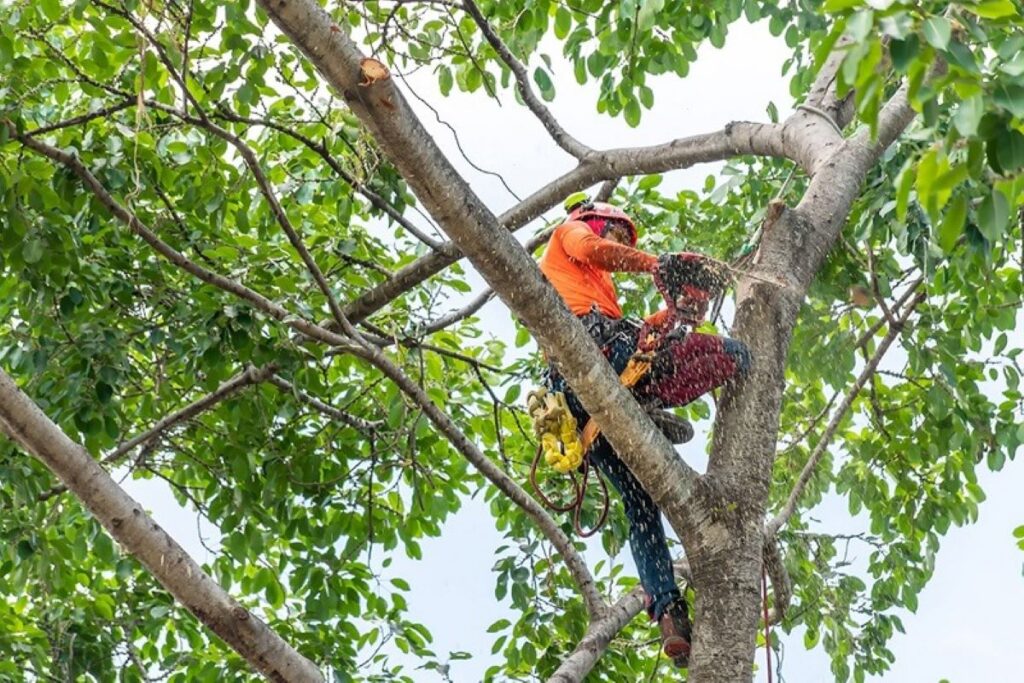
What Local Regulations Must Be Followed When Preparing Trees in Carlingford?
The City of Parramatta Council has specific rules regarding the removal or pruning of trees in Carlingford. These regulations are in place to protect the environment and ensure the safety of residents. Here are the key points property owners should know:
When is a Permit Required?
A permit is required for removing or pruning trees that meet the following criteria:
- Trees over 3 meters tall
- Trees with trunk diameters exceeding specific thresholds (exact measurements can be obtained from the council)
Application Process
Property owners must submit applications before conducting significant tree work, especially for trees deemed environmentally significant or protected under local preservation orders. The application process involves:
- Filling out the necessary forms provided by the council
- Providing documentation proving the tree poses a genuine safety risk or health concern
- Including detailed reports from qualified professionals assessing tree condition
- Outlining proposed replacement planting plans where applicable
- Submitting photographic evidence supporting the removal or pruning request
Role of Certified Arborists
Certified arborists play a vital role in navigating tree pruning regulations in Carlingford by preparing comprehensive assessment reports that meet council standards. These professionals understand the specific documentation requirements, measurement criteria, and assessment protocols expected by the City of Parramatta Council.
Benefits for Property Owners
Engaging certified arborist compliance experts offers several benefits for property owners:
- Time-saving: Arborists can identify which trees require permits and which fall outside regulatory scope, saving property owners time and potential application rejections.
- Legal protection: Non-compliance with local tree protection laws results in substantial fines, sometimes reaching thousands of dollars per offense. The council actively enforces these regulations through inspections and complaint investigations.
- Smooth application process: These specialists handle the entire application process, from initial site assessment through final approval, protecting property owners from inadvertent regulatory breaches.
Consequences of Non-Compliance
It’s important to note that failure to comply with local tree protection laws can have serious consequences. Property owners may face hefty fines if they carry out tree work without obtaining the necessary permits.
To avoid any legal issues and ensure smooth storm preparation work, it is crucial for property owners in Carlingford to engage certified arborist compliance experts who can guide them through the regulatory requirements and obtain proper approvals before any cutting begins. Check out more about how an Arborist Crows Nest handles tree work near powerlines and tight urban spaces.
Why Is Hiring Qualified Arborists with Proper Equipment Essential?
Qualified arborists Carlingford have specialized knowledge of the native and exotic tree species that are common in the area. They understand how factors such as local soil conditions, climate patterns, and environmental stressors can affect the stability of trees during storms. This local expertise arborists possess allows them to accurately assess which trees are capable of withstanding severe weather and which ones need intervention.
Professional arborists use advanced tree care equipment that makes storm preparation both safer and more effective. Some examples of specialized tools they use include:
- Elevated work platforms for accessing tall tree canopies without causing any damage to the tree
- Professional-grade chainsaws and pruning equipment that are designed to make precise cuts and promote healing
- Wood chippers and stump grinders that can efficiently clear away debris and hazards
- Diagnostic tools for detecting internal decay or structural weaknesses that may not be visible to untrained individuals
The combination of expertise and proper equipment has a direct impact on how well we can prepare for storms. Experienced arborists are able to identify subtle warning signs—such as root plate movement or weak branch unions—that homeowners usually overlook. Their training in physics and tree biomechanics helps them make pruning decisions that reduce wind resistance while still keeping the tree structurally sound.
Trying to do tree work on your own without the right qualifications can lead to personal injuries, damage to property, and unintentionally weakening trees before storms hit. To protect both your landscape investment and your family’s safety during severe weather events, it is necessary to have professionals assess and carry out any necessary tree work.