
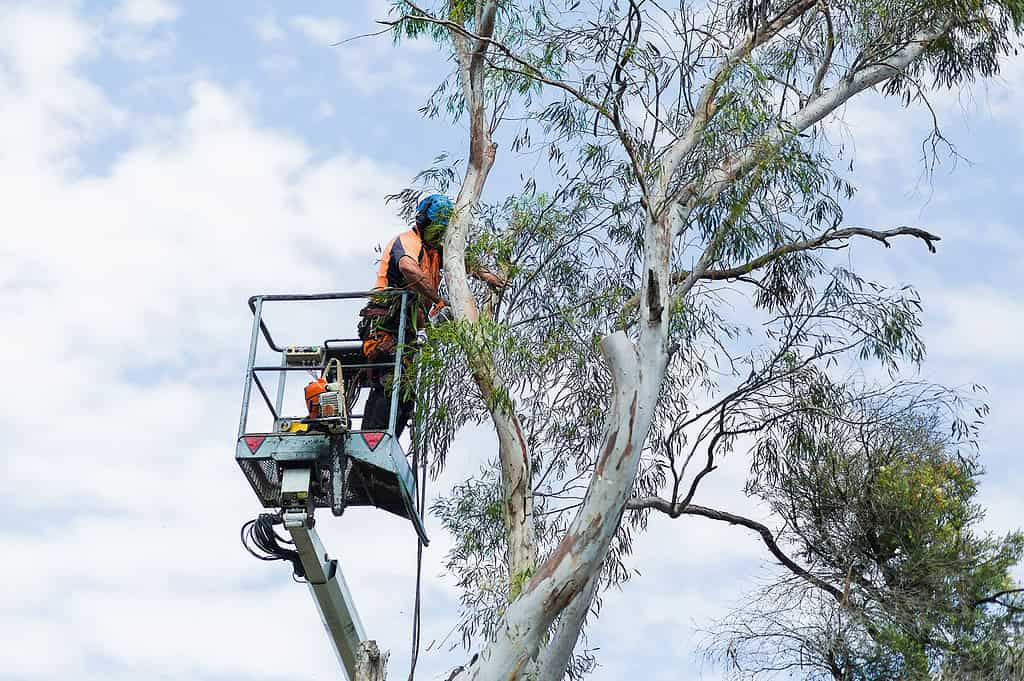
How an Arborist Crows Nest Handles Tree Work Near Powerlines and Tight Urban Spaces
What Are the Challenges of Tree Work Near Powerlines and Tight Urban Spaces in Crows Nest?
Arborist Crows Nest professionals face unique obstacles when managing tree work near powerlines and confined urban environments. The dense residential layout creates limited access for equipment, while overhead electrical infrastructure demands specialized safety protocols that go beyond standard tree maintenance.
Urban tree management in this Sydney suburb requires navigating multiple simultaneous challenges:
- Electrical hazards from high-voltage powerlines running through tree canopies
- Restricted working zones between buildings, fences, and property boundaries
- Limited equipment access due to narrow streets and tight driveways
- Regulatory compliance with council height restrictions and vegetation protection orders
- Neighbour considerations when branches overhang multiple properties
The proximity of mature trees to essential infrastructure creates constant risk of electrical fires, power outages, and property damage. A single miscalculation during pruning can result in catastrophic consequences, from electrocution hazards to widespread service disruptions affecting entire neighbourhoods.
Professional arborists bring critical expertise to these complex scenarios. Their training in How an Arborist Crows Nest Handles Tree Work Near Powerlines and Tight Urban Spaces includes understanding electrical clearance zones, implementing rigging techniques for confined areas, and applying precision pruning methods that maintain tree health while ensuring public safety. Without this specialized knowledge, property owners risk serious injury, legal liability, and costly infrastructure damage.
What Are the Tree Height Restrictions Set by Local Councils in Crows Nest?
Local councils in Crows Nest enforce tree height restrictions through Development Control Plans (DCPs) that specify maximum allowable heights based on zoning classifications. These urban tree limits typically range from 4 to 10 meters in residential areas, with variations depending on proximity to critical infrastructure and property boundaries.
Local council regulations exist primarily to address three critical concerns:
- Electrical safety: Trees growing within 3 meters of powerlines create significant fire and electrocution risks
- Infrastructure protection: Root systems and canopy growth can damage underground services, overhead cables, and building foundations
- Neighbour amenity: Excessive tree height blocks natural light and obstructs views between properties
The impact varies dramatically between zones. Residential areas face stricter urban tree limits to maintain sunlight access and prevent disputes between neighbours over shading. Commercial zones receive slightly more flexibility, though trees near busy intersections must maintain clear sightlines for traffic safety.
Vegetation Protection Orders (VPOs) add another layer of complexity to these restrictions. Significant or heritage trees protected under VPOs cannot be pruned or removed without explicit council approval, even when they exceed standard height limits. Property owners must navigate both the general height restrictions and any specific protective orders applying to their trees before undertaking any work.
Why Is It Critical to Manage Trees Near Powerlines Safely?
Trees growing close to powerlines pose serious electrical hazards that can endanger both property and lives. When branches come into contact with live wires, it can lead to electrical fires, widespread power outages affecting entire neighborhoods, and even electrocution of individuals attempting to do tree work themselves. In the crowded streets of Crows Nest, a single incident involving a tree and electricity can result in significant damage to properties and disruption of services.
Powerline safety requires specialized knowledge that goes beyond regular tree care. It’s important to understand that branches don’t have to directly touch powerlines in order to conduct electricity. Factors such as moisture, sap, and humid conditions can create pathways for electricity to flow. Additionally, trees swaying in the wind or gradually growing closer to cables present risks that property owners may not be aware of until an emergency situation arises.
Professional arborists are trained to identify these dangers by carefully evaluating:
- The distance between branches and powerlines
- The growth patterns of trees and how their canopies are expected to expand
- The specific characteristics of different tree species that may affect the risk of conductivity
- The impact of weather conditions and wind on the stability of trees
Tree pruning near powerlines should only be done by qualified professionals who are familiar with the minimum clearance distances set by energy providers. Arborists use specific pruning techniques that encourage trees to grow away from cables while still maintaining their overall structure and health. This approach is important because it prevents regrowth patterns that could quickly create hazards again, ensuring long-term safety around electrical infrastructure.
How Do Arborists Navigate Legal Guidelines and Local Policies When Working on Urban Trees?
Professional arborists must work within strict legal frameworks before touching any tree in Crows Nest. Vegetation Protection Orders (VPOs) protect significant or heritage trees from unauthorized pruning or removal, requiring council approval for any work. Development Control Plans (DCPs) establish specific height limits and distance requirements for different residential and commercial zones, particularly around overhead cables and underground services.
The permit application process begins with a thorough site assessment. Arborists examine:
- Current tree height and proximity to powerlines
- Zoning classification of the property
- Existing VPOs or heritage listings
- Required clearance distances from infrastructure
- Neighbour notification requirements
How an Arborist Crows Nest Handles Tree Work Near Powerlines and Tight Urban Spaces involves submitting detailed documentation to local councils. This includes site photographs, proposed pruning plans, and justification for the work based on safety or compliance needs. The arborist must demonstrate how the planned work aligns with both infrastructure protection goals and urban canopy preservation objectives.
Compliance verification extends beyond initial permits. Qualified arborists maintain records of all council communications, approved work plans, and completion certificates. This documentation protects property owners from potential disputes and ensures the work meets North Sydney Council’s specific requirements for tree management in dense urban environments.
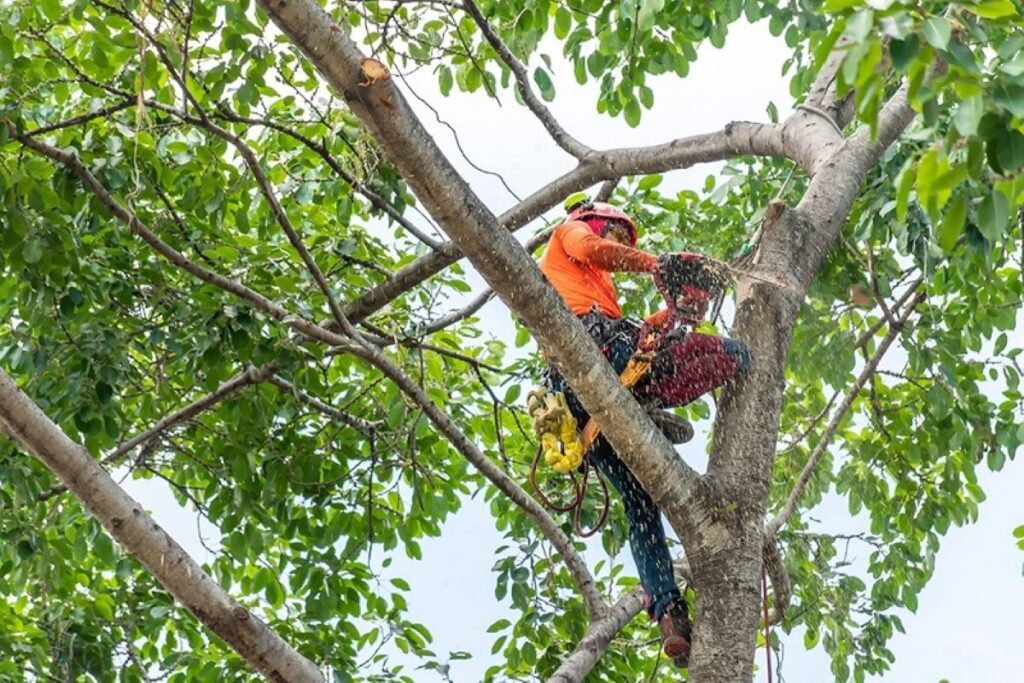
What Pruning Techniques Do Arborists Use to Safely Handle Tight Urban Spaces?
Arborists use various pruning techniques to effectively manage trees in tight urban spaces. Here are some of the key methods they employ:
1. Crown Reduction
Crown reduction is the primary method used by arborists to control tree height in confined urban areas. This technique involves selectively removing branches at their point of origin, which reduces the overall size of the canopy while preserving the tree’s natural shape and structure. The process specifically targets limbs that are too close to buildings, powerlines, or neighboring properties, ensuring that the health of the tree is not compromised.
2. Directional Pruning
Directional pruning is another important technique used by arborists to guide tree growth away from hazards. This is achieved by strategically removing branches that are growing toward infrastructure such as powerlines or structures. Arborists identify the dominant leaders and lateral branches of the tree and make cuts on those branches in order to redirect growth in safer directions. This method has proven to be particularly effective in narrow laneways where trees have limited vertical and horizontal space to grow.
3. Formative Pruning
For younger trees, arborists use formative pruning to establish proper structure early on in their development. This technique involves shaping the trees by:
- Selecting a strong central leader to control their ultimate height
- Removing competing stems that could create weak branch unions
- Spacing lateral branches evenly around the trunk
- Eliminating crossing or rubbing branches before they mature
By taking this proactive approach, arborists can prevent future conflicts with infrastructure and reduce the need for aggressive pruning later on. Young trees tend to respond better to training cuts, which helps them develop compact forms that are well-suited for urban environments while still maintaining vigor and aesthetic appeal.
See Also : Arborist Carlingford: How to Prepare Your Trees for Storm Season
How Can Property Owners Ensure Safe and Legal Tree Management Near Powerlines in Crows Nest?
Property owners must obtain a professional arborist assessment before starting any tree work near powerlines. Qualified arborists familiar with Crows Nest regulations identify potential hazards, determine appropriate pruning methods, and ensure compliance with local council requirements. This expert evaluation prevents costly mistakes and reduces liability risks associated with unauthorized work.
1. Checking for Vegetation Protection Orders (VPOs)
Checking for Vegetation Protection Orders (VPOs) is a critical first step in the planning process. These orders protect significant or heritage trees from pruning or removal without council approval. Property owners can verify VPO status through:
- North Sydney Council’s online property search tools
- Direct enquiries to the council’s environmental services department
- Professional arborist services that include VPO verification
Documenting Communication with Neighbours
Documented communication with neighbours prevents disputes during tree management activities. Written notices should detail:
- Specific pruning work planned and expected timeframes
- Reasons for the work, particularly safety concerns near powerlines
- Contact information for questions or concerns
- Copies of relevant permits or approvals
Developing Compliant Management Plans
Compliant management plans balance urban canopy preservation with safety requirements. These plans outline long-term strategies for maintaining tree health while addressing powerline proximity concerns. Arborists develop schedules for regular maintenance that prevent emergency situations and maintain the aesthetic and environmental benefits trees provide to Crows Nest’s urban landscape.
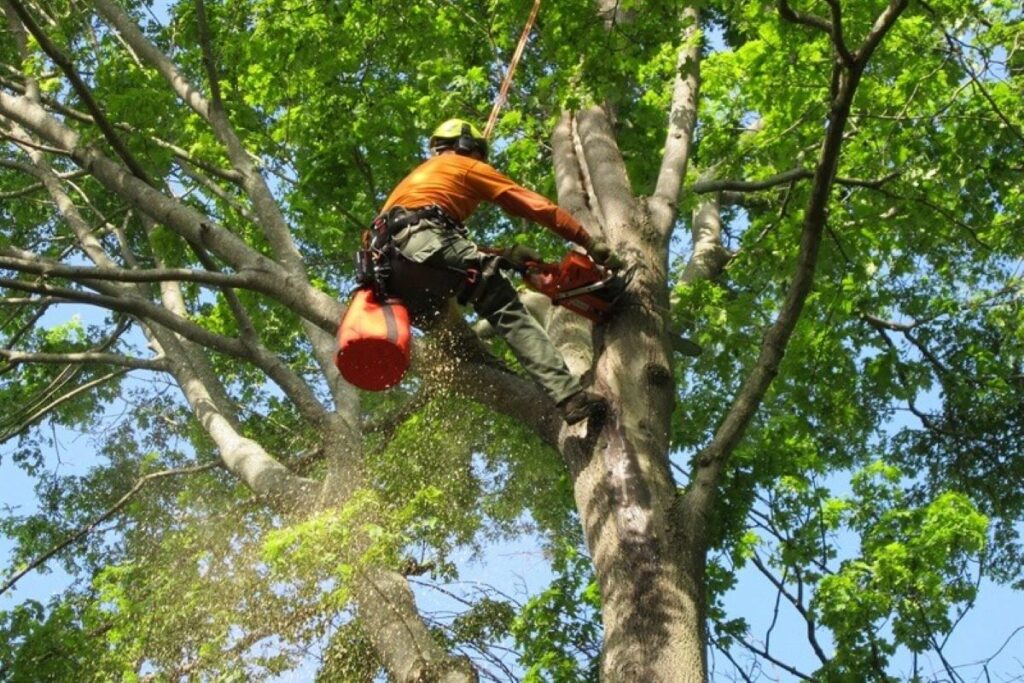
Why Should Property Owners Hire Professional Arborists for Tree Work Near Powerlines and In Tight Urban Spaces?
Professional arborist benefits extend far beyond basic tree trimming, particularly when working near powerlines in Crows Nest’s dense urban environment. Licensed arborists possess specialized training in electrical safety protocols and understand minimum clearance distances required by Ausgrid, ensuring work proceeds without risking electrocution or power disruptions.
Their expertise in navigating Vegetation Protection Orders and Development Control Plans prevents costly compliance violations. Arborists conduct thorough risk assessment procedures before beginning any work, identifying structural weaknesses, decay patterns, and potential failure points that untrained eyes might miss. This evaluation becomes critical when trees grow adjacent to powerlines, where falling branches could trigger electrical fires or widespread outages.
Insured tree services protect property owners from liability during high-risk operations. Professional arborists carry comprehensive public liability coverage and workers’ compensation insurance, shielding homeowners from financial exposure if accidents occur during powerline proximity work. Their pruning techniques—crown reduction, directional pruning, and formative shaping—preserve tree health while achieving height compliance.
How an Arborist Crows Nest Handles Tree Work Near Powerlines and Tight Urban Spaces demonstrates the value of specialized knowledge. These professionals use advanced rigging systems and climbing techniques suited to confined areas where machinery access proves impossible. They document all work for council records, provide detailed reports supporting permit applications, and maintain ongoing communication with utility providers to coordinate safe disconnection when necessary.